Table of Contents
1. Key Takeaways
2. Key Signs to Replace Concrete
- a. Deep Cracking
- b. Severe Spalling
- c. Sunken Slabs
- d. Heaving Concrete
- e. Widespread Pitting
3. Assess the Damage
- Surface Wear
- Structural Failure
4. Unseen Environmental Triggers
- Freeze-Thaw Cycles
- Salt and Chemicals
- Water Drainage
5. Check Your Concrete To Preserve Its Durability
Pitting from widespread pitting has resulted in small holes in the concrete slab due to general wear and damage from chemicals. This poses a negative impact on the integrity of the slab, especially in areas with deicing salts and areas experiencing heavy machinery traffic. Pitted surfaces also pose hazards for both vehicles and pedestrians.
If the pitting is severe, replacing the slab is the best way to ensure long-term safety and lasting functionality rather than relying on temporary fixes. If you notice these signs of damage, call us at Big Easy Concrete so we can assess and restore your concrete to its best condition.
Key Takeaways
- These three issues with your surface concrete are signs that it’s time to replace it. These problems can lead to hazards and render the surface unusable.
- These signs are an indication that your concrete is becoming less durable as well as less functional. Dealing with these signs immediately can stave off additional damage.
- Structural failures like foundational instability and slabs failing to support the intended loads indicate that it’s time for a full replacement to secure long-term stability and safety.
- Freeze-thaw cycles, chemical exposure, and inadequate water drainage are environmental factors that cause your concrete to deteriorate. By identifying and mitigating these triggers, you can extend the lifespan of your concrete.
- Expert inspection and diagnostics to separate surface wear from structural issues. This service guides proper action, whether it’s repairs or full replacement.
- With some investment in quality materials, installation, and preventative maintenance, you can safeguard your concrete from future damage and extend its lifespan.
Key Signs to Replace Concrete
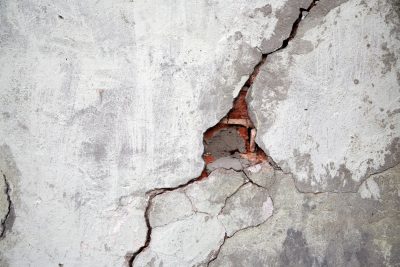
We outline the key indicators to look for when determining whether it’s time to remove and replace your old concrete. Addressing these issues sooner rather than later can save you money in the long run, as neglecting them can lead to more extensive and costly repairs.
1. Deep Cracking
Cracks that penetrate the slab signal a weakened structure. Wide cracks (over ½ inch) allow water in, eroding soil beneath and causing uneven surfaces. Seasonal weather and heavy traffic can worsen these gaps, leading to hazards. For example, a cracked driveway may no longer be able to support cars, resulting in further damage.
2. Severe Spalling
Spalling occurs when the concrete surface chips away, exposing the aggregate underneath. This can weaken the slab and make it more vulnerable to damage. Causes include freeze-thaw cycles and exposure to deicing chemicals. Severe spalling not only weakens the concrete but also looks unattractive. If rebar is showing, replacement is the best option.
3. Sunken Slabs
Unevenly sunken slabs are often due to soil erosion or poor compaction, leading to water pooling and safety hazards. If the sinking is significant, like a garage floor with noticeable depressions, replacement might be necessary. Minor settling can often be fixed with leveling.
4. Heaving Concrete
Leaving occurs when slabs lift due to tree roots or freeze-thaw cycles, disrupting the levelness of surrounding areas. A heaved walkway can be unsafe. Fixing underlying issues may prevent future heaving, but if the slab is too misaligned, replacement is usually best.
5. Widespread Pitting
Pitting creates small holes in the surface from wear or chemicals, compromising the slab’s integrity. This is common in areas with deicing salts or heavy machinery. Pitted surfaces pose risks to vehicles and pedestrians. If severe, replacing the slab ensures long-term safety and functionality over a temporary fix.
Assess the Damage

Damage assessment is the systematic approach that determines whether repairs or replacement of concrete is going to be necessary. Here, we will check into the essentials of whether the concrete is still good.
-
Surface Wear
Begin with the surface inspection for possible discoloration, staining, or minor cracks due to traffic, UV exposure, or deicing salts. Though not major, these conditions can lead to more serious problems with durability, particularly where weathering factors like freeze-thaw cycles and acid rain are concerned. Early intervention is of utmost importance since external agents, such as bacteria, can gradually weaken a structure.
The surface may be repaired by cleaning, sealing, or resurfacing. Staining and light cracking may require resurfacing of the concrete in question for appearance and enhanced performance. Should there be major damage, like any heavy cracking or aggregate exposure, it is time for replacement.
-
Structural Failures