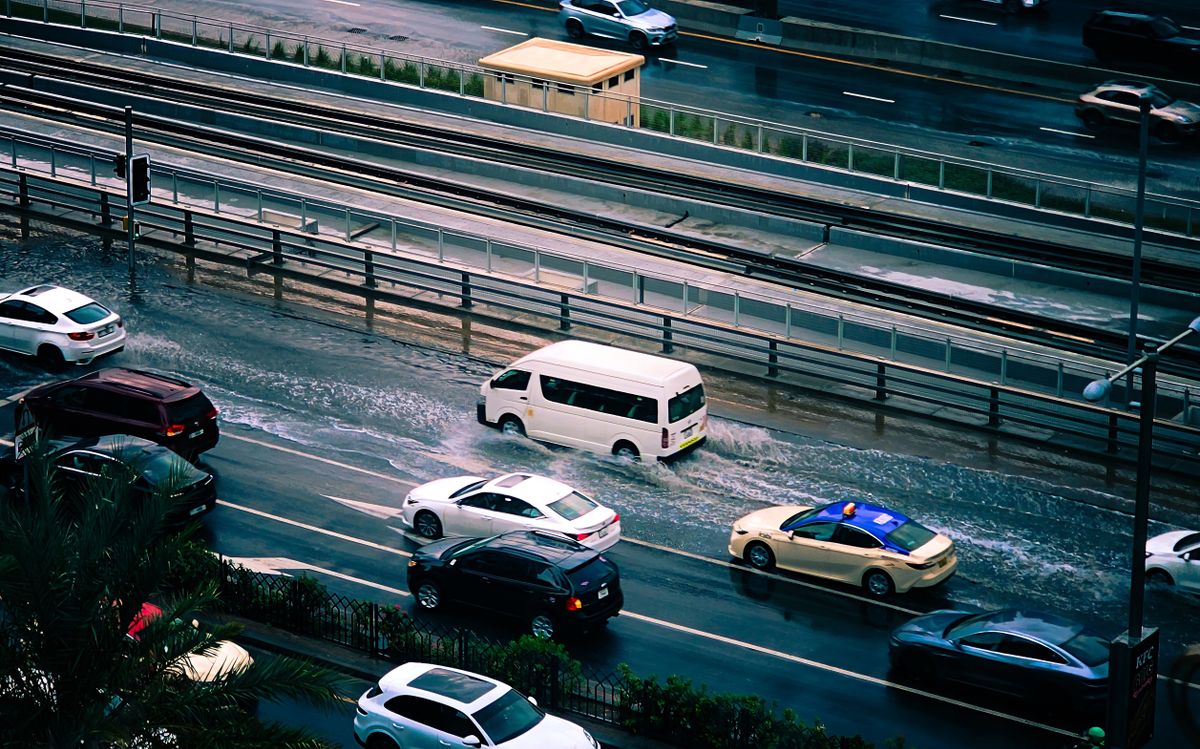
Cracked, crumbling, or uneven concrete curbs and gutters signal drainage problems that can damage your property if left unaddressed. Common warning signs include standing water near the curb, visible erosion along the edges, and recurring cracks that reappear after patching. Addressing these issues early with professional repair or replacement protects your foundation, landscaping, and property value.
Concrete curbs and gutters do more than outline the edges of your property. They channel stormwater away from driveways, foundations, and landscaping, keeping your property safe from water damage year after year. When they start breaking down, the problems can spread fast.
At Big Easy Concrete, we see firsthand how damaged curbs and gutters affect homes and businesses across Greater New Orleans. Whether you are dealing with surface cracks or full sections that have shifted out of place, knowing the warning signs helps you act before small issues become costly repairs.
Why Concrete Curbs and Gutters Matter More Than You Think
Most property owners take their curbs and gutters for granted until something goes wrong. These structures serve as your first line of defense for water management. They direct rainwater into storm drains, prevent soil erosion along your driveway and yard, and protect your foundation from standing water. Without functional curbs and gutters, every rainstorm sends water wherever gravity takes it, and in a city like New Orleans, that can mean real trouble.
If you have noticed common concrete problems on your property, your curbs and gutters are worth inspecting too.
Five Warning Signs That Your Curbs and Gutters Need Attention
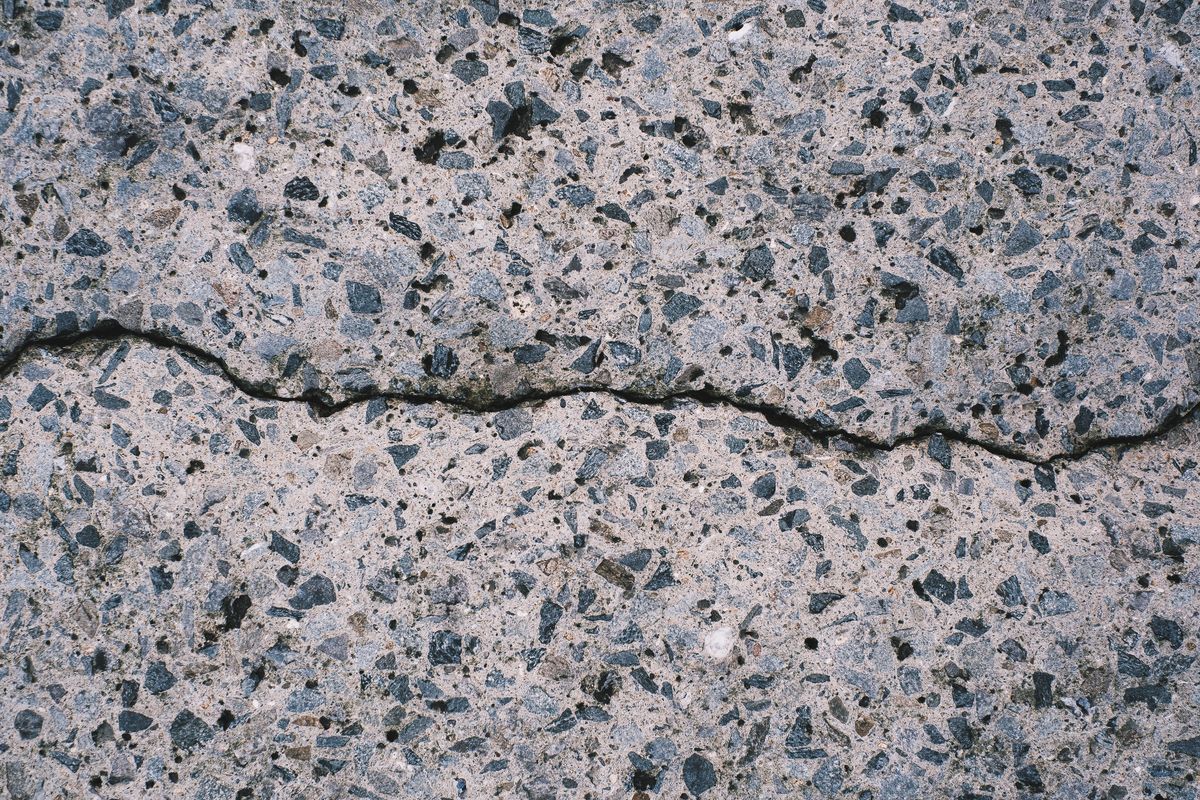
1. Cracks That Keep Coming Back
Hairline cracks in concrete are normal, especially in areas with temperature swings and heavy traffic. But when cracks reappear shortly after patching, or when they widen into gaps you can fit a coin into, the underlying concrete is failing. Repeated cracking often points to a weak sub-base, poor original mix quality, or soil movement beneath the slab.
2. Standing Water or Pooling Near the Curb
Functional curbs and gutters should move water away from your property efficiently. If you notice puddles forming along the curb line after rain, or water sitting in the gutter channel for hours, something has shifted. Settling, heaving, or a broken section can disrupt the slope that drives water toward the drain. This is especially critical for properties in flood-prone areas, and proper water management starts with curbs that actually work.
3. Visible Erosion Along the Edges
Look at the soil, gravel, or pavement directly beside your curbs. If it is washing away, sinking, or separating from the curb face, water is getting underneath and weakening the structure from below. Erosion gaps allow more water to infiltrate with each storm, accelerating the damage cycle. Left alone, this can undermine your driveway, sidewalk, or even your foundation.
4. Sections That Have Sunk, Heaved, or Shifted
Concrete that once sat level but now tilts, drops, or sticks up creates more than a visual problem. Uneven sections are tripping hazards for pedestrians and can cause vehicle damage. They also break the continuous water channel, sending runoff into your yard or driveway instead of to the storm drain. Soil settlement and root intrusion are common causes, and both require professional assessment.
5. Crumbling, Spalling, or Flaking Surfaces
When the surface layer of your curb starts to peel away, flake off, or crumble into loose aggregate, the damage is called spalling. This typically happens when moisture penetrates the concrete and expands during temperature changes, or when the original pour used a mix with too much water. Spalling worsens quickly and is a clear sign that the concrete’s structural integrity is compromised.
How New Orleans Conditions Accelerate Curb and Gutter Damage