
Cracked, crumbling, or uneven concrete curbs and gutters signal drainage problems that can damage your property if left unaddressed. Common warning signs include standing water near the curb, visible erosion along the edges, and recurring cracks that reappear after patching. Addressing these issues early with professional repair or replacement protects your foundation, landscaping, and property value.
Concrete curbs and gutters do more than outline the edges of your property. They channel stormwater away from driveways, foundations, and landscaping, keeping your property safe from water damage year after year. When they start breaking down, the problems can spread fast.
At Big Easy Concrete, we see firsthand how damaged curbs and gutters affect homes and businesses across Greater New Orleans. Whether you are dealing with surface cracks or full sections that have shifted out of place, knowing the warning signs helps you act before small issues become costly repairs.
Why Concrete Curbs and Gutters Matter More Than You Think
Most property owners take their curbs and gutters for granted until something goes wrong. These structures serve as your first line of defense for water management. They direct rainwater into storm drains, prevent soil erosion along your driveway and yard, and protect your foundation from standing water. Without functional curbs and gutters, every rainstorm sends water wherever gravity takes it, and in a city like New Orleans, that can mean real trouble.
If you have noticed common concrete problems on your property, your curbs and gutters are worth inspecting too.
Five Warning Signs That Your Curbs and Gutters Need Attention
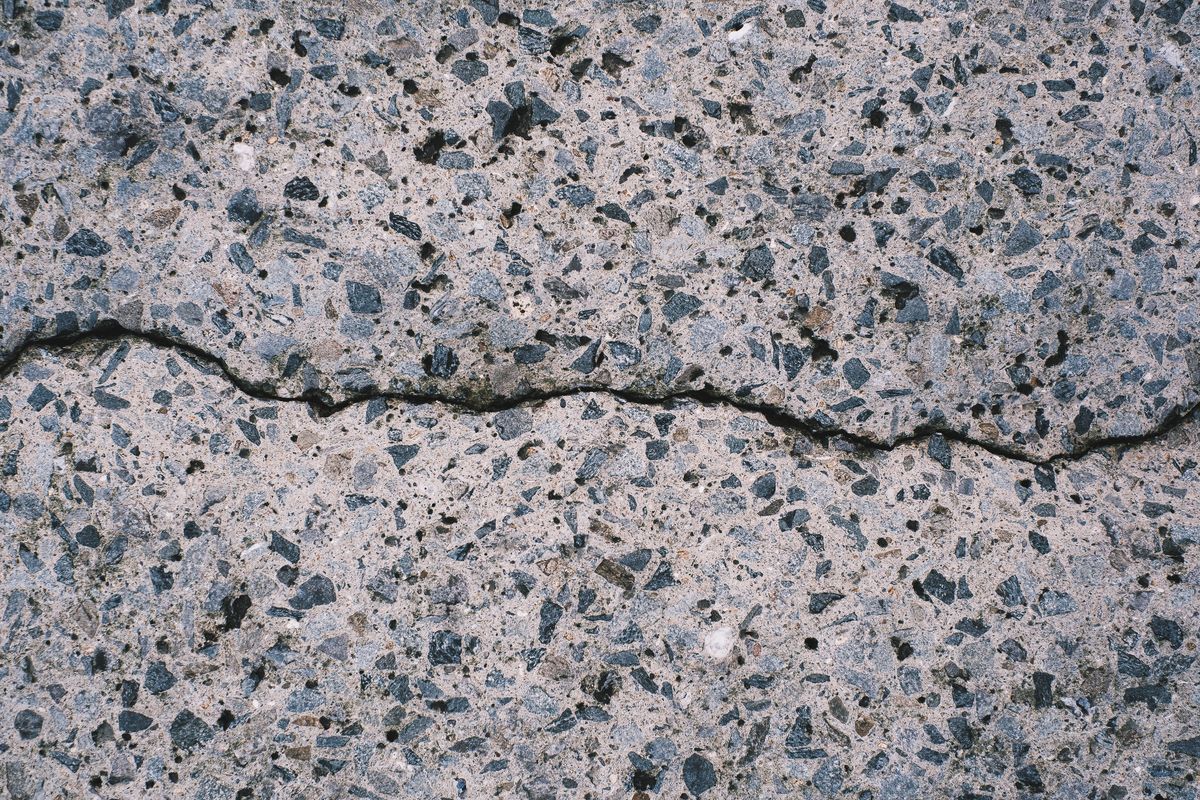
1. Cracks That Keep Coming Back
Hairline cracks in concrete are normal, especially in areas with temperature swings and heavy traffic. But when cracks reappear shortly after patching, or when they widen into gaps you can fit a coin into, the underlying concrete is failing. Repeated cracking often points to a weak sub-base, poor original mix quality, or soil movement beneath the slab.
2. Standing Water or Pooling Near the Curb
Functional curbs and gutters should move water away from your property efficiently. If you notice puddles forming along the curb line after rain, or water sitting in the gutter channel for hours, something has shifted. Settling, heaving, or a broken section can disrupt the slope that drives water toward the drain. This is especially critical for properties in flood-prone areas, and proper water management starts with curbs that actually work.
3. Visible Erosion Along the Edges
Look at the soil, gravel, or pavement directly beside your curbs. If it is washing away, sinking, or separating from the curb face, water is getting underneath and weakening the structure from below. Erosion gaps allow more water to infiltrate with each storm, accelerating the damage cycle. Left alone, this can undermine your driveway, sidewalk, or even your foundation.
4. Sections That Have Sunk, Heaved, or Shifted
Concrete that once sat level but now tilts, drops, or sticks up creates more than a visual problem. Uneven sections are tripping hazards for pedestrians and can cause vehicle damage. They also break the continuous water channel, sending runoff into your yard or driveway instead of to the storm drain. Soil settlement and root intrusion are common causes, and both require professional assessment.
5. Crumbling, Spalling, or Flaking Surfaces
When the surface layer of your curb starts to peel away, flake off, or crumble into loose aggregate, the damage is called spalling. This typically happens when moisture penetrates the concrete and expands during temperature changes, or when the original pour used a mix with too much water. Spalling worsens quickly and is a clear sign that the concrete’s structural integrity is compromised.
How New Orleans Conditions Accelerate Curb and Gutter Damage
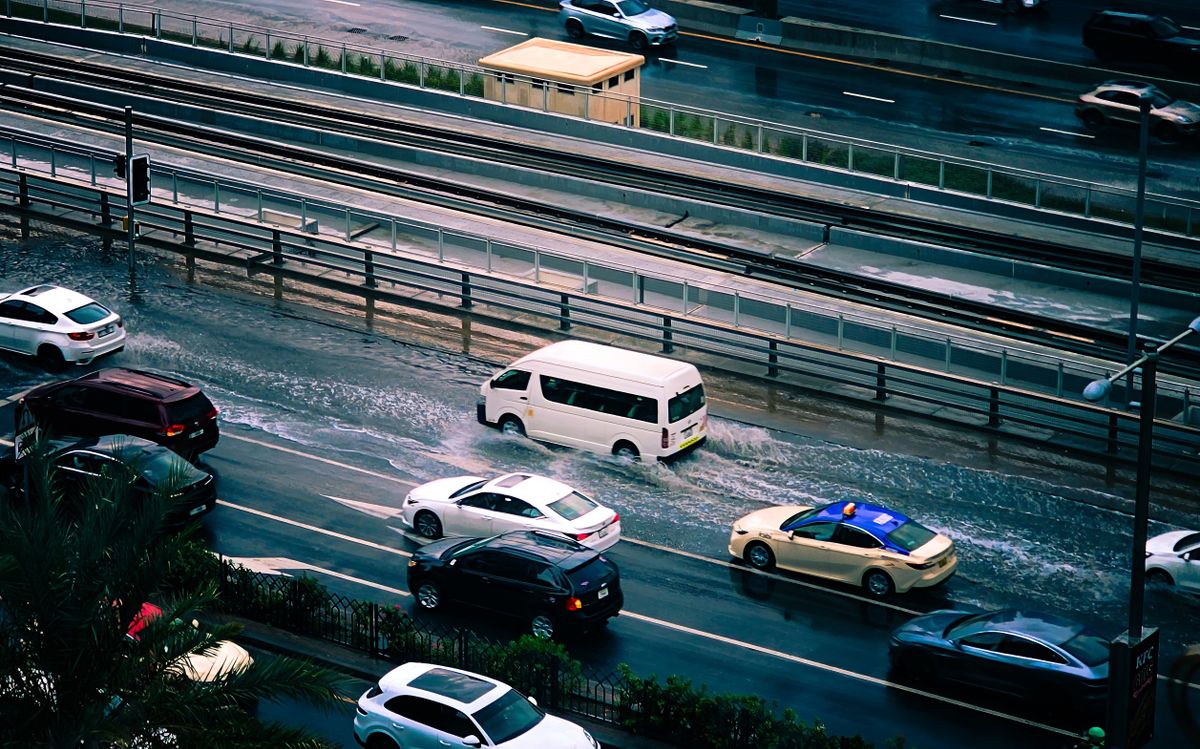
Greater New Orleans creates a uniquely punishing environment for concrete. The city’s clay-heavy soils expand and contract with moisture cycles, putting constant pressure on concrete slabs, footings, and curbs. Combine that with a high water table, annual rainfall averaging over 64 inches, and the intense downpours that come with hurricane season, and even well-installed curbs face relentless stress.
Drainage is not optional here. New Orleans sits partially below sea level, meaning water that is not actively channeled away from a property has nowhere to go. Damaged curbs compound the problem by sending runoff toward foundations and driveways instead of away from them. That is why drainage and detention solutions and properly functioning curbs work hand in hand for properties in this region.
If your foundation has already shown signs of water stress, maintaining proper drainage around it should include a curb and gutter inspection as well.
Repair vs. Replacement: How to Decide
Not every damaged curb needs to be torn out and replaced. Minor surface cracks, small chips, and shallow spalling can often be repaired with resurfacing compounds or concrete patching. Professional repair makes sense when the damage is cosmetic, the sub-base is still solid, and less than about 25% of the curb run is affected.
Full replacement becomes the right call when cracks are deep and structural, when multiple sections have shifted or settled, or when repeated repairs keep failing. Replacing worn-out concrete with a properly engineered pour over a compacted sub-base gives you a curb and gutter system built to last 30 years or longer.
A licensed contractor can assess the damage and recommend the most cost-effective path forward. Big Easy Concrete holds both a Residential License (#890459) and a Commercial License (#3667), so we handle curb and gutter projects for homeowners and business properties alike.
Steps You Can Take to Extend Curb and Gutter Life
Keeping your curbs and gutters in good shape between professional visits is straightforward. Clear debris from the gutter channel regularly, especially after storms, so water flows freely. Seal small cracks promptly before water penetrates deeper. Avoid parking heavy vehicles with tires directly on the curb face, as repeated impact weakens the concrete edge over time.
Watch for soil settling along the curb line and fill any gaps with compacted material to keep the base stable. Seasonal inspection is a good habit, particularly after heavy rain events or cold snaps. Early detection of small problems is always cheaper than emergency replacement. For more hands-on guidance, our concrete maintenance tips cover the basics for every concrete surface on your property.
Curbs and gutters also contribute to your property’s overall curb appeal. Well-maintained concrete edges give a property a clean, finished look, and when paired with a quality driveway or paved surface, they can boost your property’s value and curb appeal.
Get Your Curbs Inspected Before the Next Storm
If you have spotted any of these warning signs, do not wait for the next heavy rain to make things worse. Call Big Easy Concrete at (504) 384-8001 or request your free quote online to schedule a professional assessment. We serve homeowners and businesses across New Orleans, Metairie, Kenner, Slidell, Covington, and the entire Greater New Orleans area.
Frequently Asked Questions
How do I know if my concrete curb needs repair or full replacement?
If the damage is limited to surface cracks, minor chips, or shallow spalling and the underlying base is solid, repair is usually sufficient. When cracks are deep and structural, multiple sections have shifted, or repeated patches keep failing, full replacement with new concrete is the more durable and cost-effective choice.
How long do concrete curbs and gutters typically last?
Well-installed concrete curbs and gutters using a quality mix over a compacted sub-base can last 30 years or more. Factors like heavy traffic, soil movement, poor drainage, and harsh weather can shorten that lifespan, particularly in humid climates with expansive clay soils like the Greater New Orleans area.
What causes concrete curbs to crack and deteriorate?
The most common causes include soil expansion and contraction from moisture changes, tree root intrusion, heavy vehicle impact, and water infiltration that weakens the sub-base over time. In New Orleans, the combination of clay soils, a high water table, and intense rainfall accelerates these issues significantly.
How much does curb and gutter repair or replacement cost?
Costs vary based on the extent of damage, linear footage, and whether you need repair or full replacement. Minor repairs typically range from $50 to $100 per linear foot, while full replacement runs $100 to $200 per linear foot depending on site conditions. A professional on-site estimate provides the most accurate pricing for your specific situation.
Why is my curb and gutter causing drainage problems on my property?
Curbs and gutters rely on a precise slope to channel water toward storm drains. When sections settle, heave, or crack, that slope breaks and water pools or redirects toward your foundation, driveway, or yard. In New Orleans, where the terrain sits partially below sea level, even minor disruptions in curb-line drainage can cause significant water accumulation on your property.
Can I repair a damaged concrete curb myself, or do I need a professional?
Small cosmetic patches and crack filling are reasonable DIY tasks for handy homeowners. Anything involving structural damage, sub-base failure, or full section replacement requires professional equipment and expertise. Improperly repaired curbs can fail quickly and cost more to fix a second time, so licensed contractors are recommended for anything beyond minor surface patching.